01
Named hooded by science
In 1801 John Latham looked at this bird and wrote cucullata. Hooded. Not “dark-headed”. Hooded. The Latin did the branding.
 Hooded Robin
Buy $ROBIN
Hooded Robin
Buy $ROBIN

Melanodryas cucullata · Australia · est. 1801
The only bird born wearing a hood.
16 centimetres. 22 grams. 100% hood. Named cucullata — Latin for “hooded” — by science, two centuries before hoodies were cool. Now perched on Robinhood Chain.
Coming soon — contract address will be posted here
Species profile
Every fact below is real. The hoodie is a slight exaggeration. The hood is not.
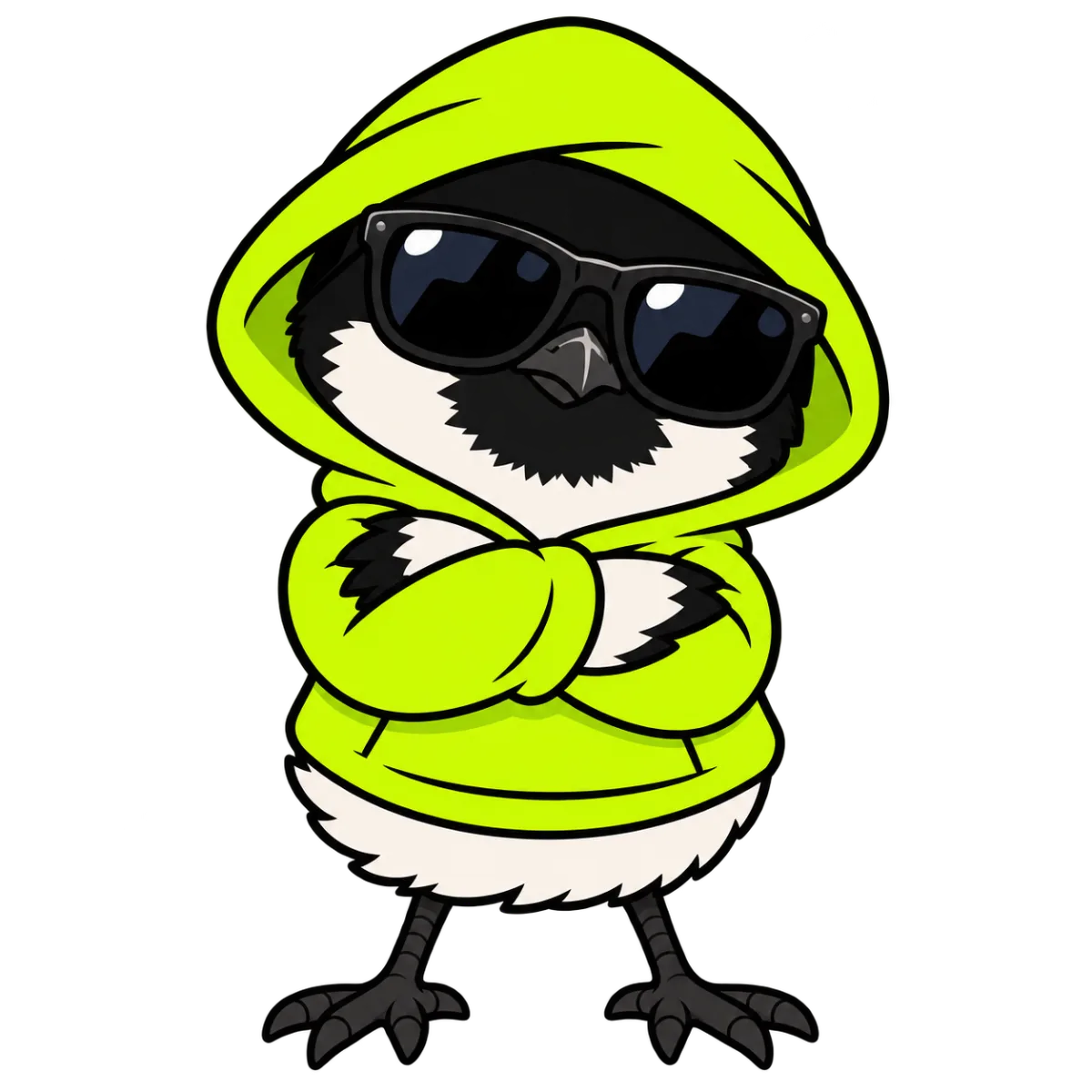
Hooded Robin
Melanodryas cucullata (Latham, 1801)
Greek melas “black” + dryas “wood-nymph”. Latin cucullatus “hooded”. A hooded black wood-nymph. The scientists knew.
Black hood and back, white underparts, white shoulder bar and wing stripe.
Grey-brown. Doesn’t wear the hood. Still holds.
Lightly timbered woodland — acacia and eucalypt.
NSW · VIC · QLD · SA · WA · NT · ACT
Pounces on invertebrates from an exposed perch close to the ground. Never chases.
July–November. Two pale olive-green eggs, ~15 days. No presale.
Quiet trills, occasional piping whistles. First to sing at dawn, silent all afternoon.
Real recording · wild bird
“Quiet trills, occasional piping whistles. One of the first birds to call in the morning, when they vigorously add their far-carrying song to the dawn chorus.” — BirdLife Australia, species profile
Sings before the market opens. Every day. Since 1801.
Couldn’t load the recording. Check that audio/call.mp3 is next to this page.
Recording XC287037 by Marc Anderson, via BirdLife Australia.
Why this bird
We didn’t invent a mascot. We found one that had been in a hood since 1801 and asked it nicely.
In 1801 John Latham looked at this bird and wrote cucullata. Hooded. Not “dark-headed”. Hooded. The Latin did the branding.
One of the first birds to call every morning, and the song carries far. It doesn’t wait for the open. It is the open.
Hunts by sitting perfectly still on a low perch, then striking once. No chasing. No panic. The original patient entry.
Young males take up to three years and several moults to grow the hood, and only about half have it by year three. Nobody is airdropped a hood.
No relation to the European or American robin. Closer to a crow. Named by homesick settlers in 1801, mislabelled for 225 years, thriving anyway.
When a predator comes near the eggs, both parents fake an injury and roll around on the ground to lure it away. Diamond hands, feathered edition.
Numbers
Two eggs per clutch. Fifteen days to hatch. No presale. That’s the bird’s policy and it’s ours.
How to spot one
Any wallet that speaks Robinhood Chain. Thirty seconds, no binoculars required.
Bridge or send ETH to your address. The bird pays for nothing; you pay gas.
Paste the contract address, set your amount, and swap. One strike. No chasing.
Coming soon — contract address will be posted here
Confirmed observations
Native to lightly timbered woodland. Also, apparently, everywhere else.





Frequently asked
Yes. Melanodryas cucullata, described by John Latham in 1801, native to Australia. About 16 cm, about 22 grams. The sunglasses are ours. The hood is its own.
Robin. Hood. We did not choose this. Latin chose this in 1801 and we are simply respecting the paperwork.
Press the button up top. Quiet trills and piping whistles, first thing at dawn, recorded in the wild by Marc Anderson.
Globally it is Least Concern, but the south-eastern subspecies was listed Endangered in 2023 and one island subspecies may already be gone. If you want to help the actual bird, BirdLife Australia does the work.
0 / 0. The bird takes nothing. It pounces once and goes back to its perch.
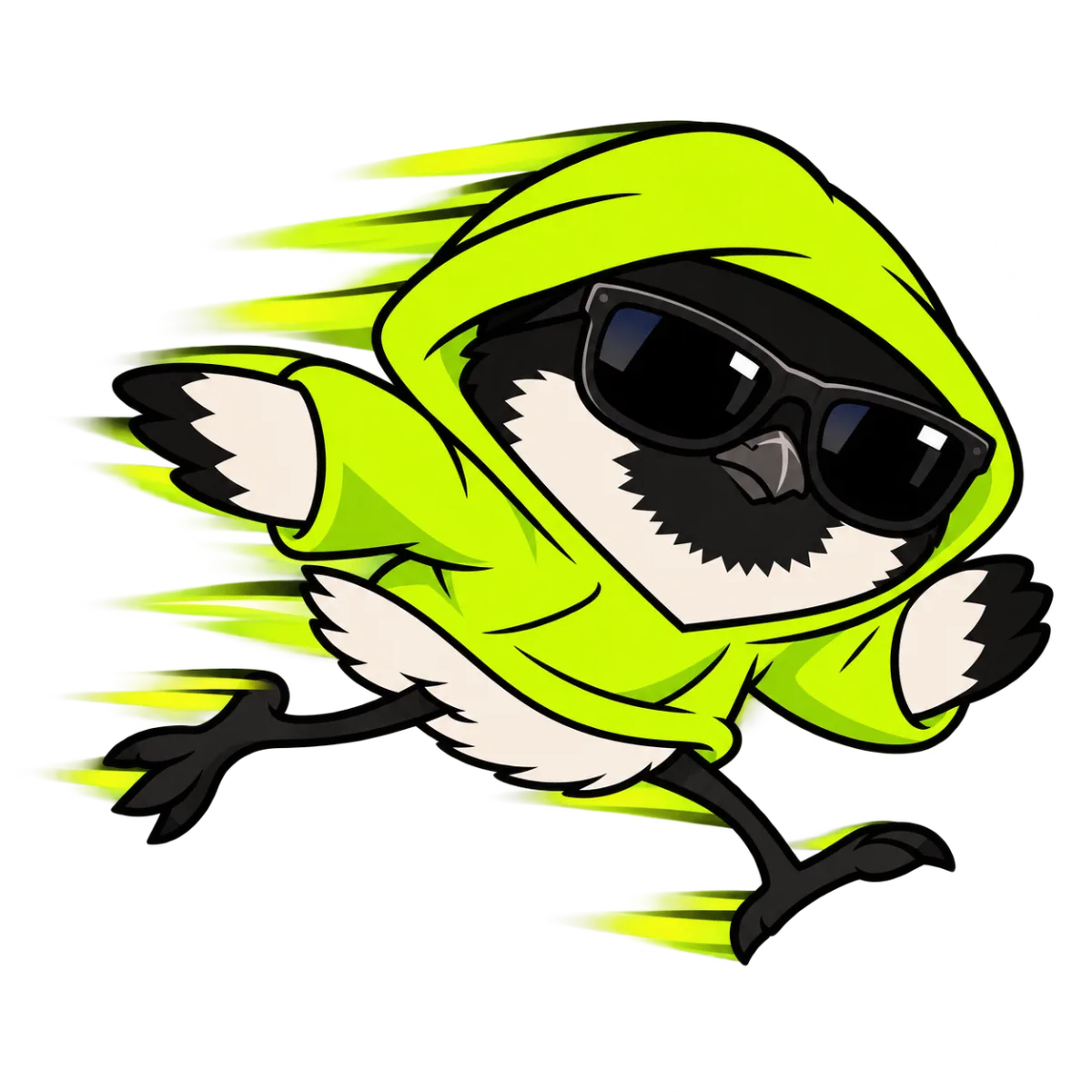
Hood up